


Honda CR-V vs. Nissan Rogue
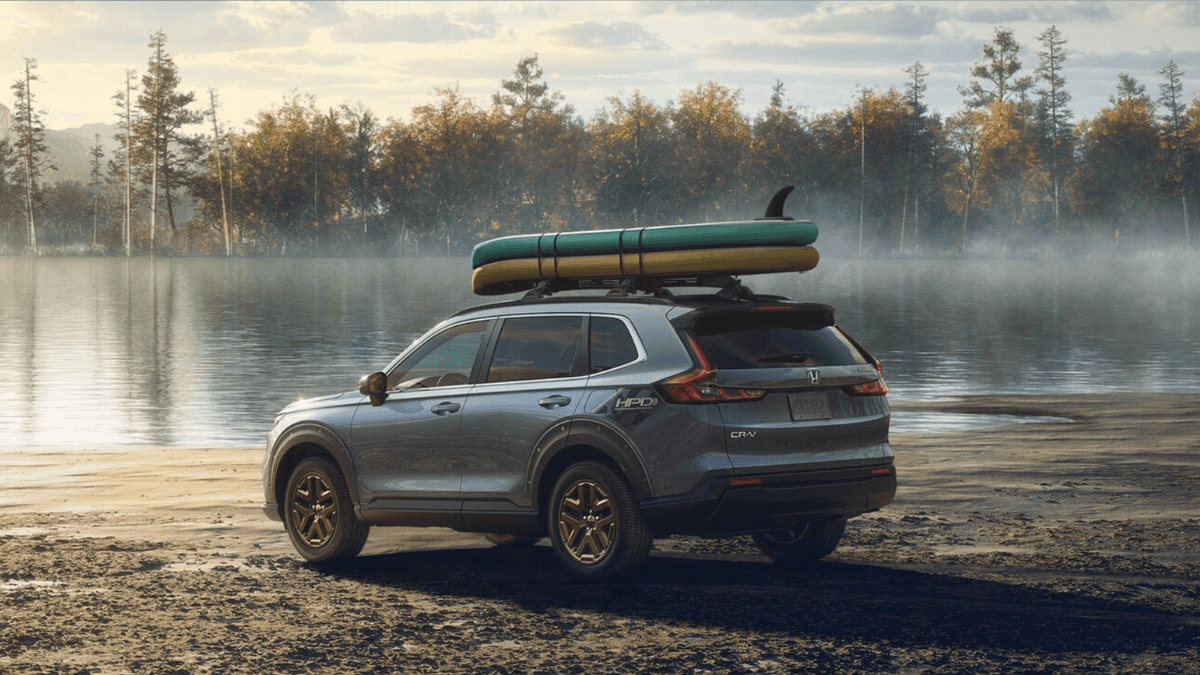
How Does the 2026 Honda CR-V Set the Standard for Compact SUVs?
The 2026 Honda CR-V delivers a compelling combination of power, space, and technology, firmly establishing itself as a benchmark in the compact SUV segment.
With the base-level LX trim featuring a 1.5L turbocharged inline 4-cylinder engine with 190 horsepower and 179 lb-ft of torque, the CR-V balances spirited performance with efficiency right from the get-go. The 2026 CR-V’s combination of performance, comfort, and smart features makes it the sensible pick for Manorville area drivers, setting new expectations for what a compact SUV should offer while reinforcing Honda’s legacy of reliability and owner satisfaction.
Under the Hood: Comparing Power and Performance of the Honda CR-V and Nissan Rogue
Engine & Performance
Powertrain specifications comparison. Bold = category leader
|
Specification |
2026 Honda CR-V |
2026 Nissan Rogue |
|
Engine |
1.5L Turbocharged Inline 4-cylinder |
1.5L VC-Turbo 3-cylinder |
|
Horsepower |
190 hp @ 6000 rpm |
201 hp @ 5,600 rpm |
|
Torque |
179 lb-ft @ 1700-5000 rpm |
225 lb-ft @ 2,800 rpm |
|
Transmission |
Continuously Variable Transmission (CVT) |
Xtronic CVT |
|
Drivetrain |
FWD |
Front-Wheel Drive |
The 2026 Honda CR-V and 2026 Nissan Rogue both bring turbocharged engines to the compact SUV segment, but their powertrains offer distinct characteristics that influence their driving experience:
- The aforementioned engine pairs with a smooth continuously variable transmission (CVT)
- Standard front-wheel drive with available all-wheel drive
- An EPA-estimated combined 30 mpg in LX (2WD) and a slight dip to 29 mpg with AWD
T the Rogue may offer more torque and horsepower on paper, the CR-V’s engine benefits from a torque range that supports steady power delivery at lower RPMs, improving everyday drivability and smoother acceleration sensations.
How Much Can the Honda CR-V Tow?
Both SUVs provide a maximum towing capacity of 1,500 pounds on most trims—a practical figure for light recreational towing needs. The CR-V’s AWD system features an intelligent control system with low-speed torque management, enhancing traction during tricky maneuvers, while the Rogue’s advanced Intelligent All-Wheel Drive complements the vehicle’s terrain drive mode selector, which includes off-road and snow settings for versatility in variable road conditions.
Overall, the Rogue offers a higher horsepower rating, but the CR-V’s engine and drivetrain tuning emphasize consistently-usable torque and refined handling, in addition to remaining competitive within the class in fuel economy. For drivers prioritizing smooth power delivery combined with respectable efficiency around Riverhead, the 2026 Honda CR-V is a true winner.
Comfort and Versatility: Interior Space, Seating, and Cargo Room Compared
Dimensions & Capacity
Interior and exterior dimensions comparison. Bold = category leader
|
Specification |
2026 Honda CR-V |
2026 Nissan Rogue |
|
Seating Capacity |
5 |
5 (Gas) / 7 (PHEV) |
|
Cargo Volume |
39.3 cu ft (Gas) / 36.3 cu ft (Hybrid) behind rear seats; 76.5 cu ft max |
31.6 – 36.5 cu ft (max 74.1 cu ft) |
|
Curb Weight |
3,477 lbs |
3,477 lbs |
|
Overall Length |
184.8 in” |
183.0 in” |
|
Overall Width |
73.5 in” |
72.4 in” |
|
Overall Height |
66.2 in (2WD) / 66.5 in (AWD)” |
66.5 in” |
When it comes to creating an inviting and practical interior environment, the 2026 Honda CR-V stands out among compact SUVs. With seating for five passengers, the CR-V offers an exceptionally spacious cabin through class-leading rear legroom measuring 41 inches, alongside a generous total passenger volume up to 106 cubic feet.
This surpasses many competitors, including the Nissan Rogue, whose interior dimensions deliver slightly less width and rear legroom, making the CR-V a more comfortable choice for taller passengers or longer journeys.
The CR-V’s seating is meticulously designed for both driver and passenger comfort, featuring body-stabilizing front seats that reduce fatigue on extended drives—a detail not matched by the Rogue’s seating setup. Honda also offers several trims with premium leather options and heated front seats, such as the EX and EX-L, enhancing occupant comfort without compromising functionality.
How Much Cargo Capacity Does the Honda CR-V Have?
Behind the rear seats, the 2026 CR-V provides 39.3 cubic feet of cargo room, which extends up to a substantial 76.5 cubic feet with the rear seats folded down. In comparison, the 2026 Nissan Rogue offers 31.6 cubic feet in the base configuration and reaches a maximum of 74.1 cubic feet, falling short of the CR-V’s overall cargo versatility.
The difference may seem modest at a glance but translates into noticeable real-world benefits for families or individuals needing ample space for gear, groceries, or luggage. Additionally, the CR-V benefits from thoughtful storage solutions including:
- Multiple cargo tie-down anchors
- Easily accessible power tailgate (available on higher trims)
- Configurable rear seatback that folds flat for expanded cargo flexibility
All in all, the CR-V’s features support practical daily usage, whether commuting in suburban Riverhead or heading out for weekend activities.
New Honda Specials near Manorville
Advanced Connectivity and Infotainment: Technology Features Across Both SUVs
The 2026 Honda CR-V raises the infotainment bar with a standard 9-inch touchscreen that outshines the Nissan Rogue’s base 8-inch display on the entry-level S trim.
The CR-V excels in connectivity thanks to standard Wireless Apple CarPlay and Android Auto on every Honda trim, eliminating the hassle of cables for seamless smartphone integration. Nissan similarly provides wireless Apple CarPlay and Android Auto but only on selected trims, which makes the CR-V more accessible for tech-savvy buyers at any price point.
Charging convenience is well-covered in the CR-V with multiple USB-C ports including rear passengers, as well as a Qi-compatible wireless phone charger standard on most trims. Nissan matches this with multiple USB ports and wireless charging, but often as part of optional packages.
Honda CR-V vs. Nissan Rogue Safety Technology
Like other modern Honda models, the 2026 CR-V taps Honda Sensing, a comprehensive suite of standard safety features on all trims, to create a baseline of protection that competitors struggle to match:
- Collision Mitigation Braking System (CMBS)
- Road Departure Mitigation (RDM)
- Adaptive Cruise Control (ACC) with Low-Speed Follow
- Lane Keeping Assist System (LKAS
- Forward Collision Warning (FCW)
- Lane Departure Warning (LDW)
- Blind Spot Information System (BSI) with Cross Traffic Monitor
- Front and rear parking sensors
- Standard multi-angle rearview camera with dynamic guidelines
Comparatively, the 2026 Nissan Rogue’s base S trim also includes a strong safety suite with Nissan Safety Shield 360, featuring Automatic Emergency Braking with Pedestrian Detection, Blind Spot Warning, Rear Cross Traffic Alert, and Lane Departure Warning. However, features like ProPILOT Assist 2.1 with hands-free highway driving are only available on higher SV trims and above, making it less accessible at entry-level prices.
Upgrade Your Drives with the 2026 CR-V Near Wading River
Trusting our Honda Manorville area dealership means counting on confidence, value, and expertise. Estimate monthly car payments with our payment calculator online, and don’t forget to schedule a test drive. If you have any questions before buying or leasing your new Honda CR-V, just contact us!
Fill Out Our Online Honda Finance Form
FAQs: Honda CR-V vs. Nissan Rogue
Which is Better for Cargo Space: CR-V or Rogue?
The Honda provides significantly more cargo volume—39.3 cubic feet behind the rear seats and up to 76.5 cubic feet with seats folded. The Rogue offers between 31.6 and 36.5 cubic feet behind the rear row and max cargo space of 74.1 cubic feet. This makes the CR-V better suited for hauling bulky gear or groceries.
Which SUV Has Better Safety Technology?
Both vehicles feature advanced safety suites, but Honda equips every CR-V trim with the Honda Sensing suite including Collision Mitigation and Adaptive Cruise Control coming standard. Nissan offers its Safety Shield 360 on all trims, but hands-free ProPILOT Assist is available only on higher trims, making Honda’s comprehensive safety tech more accessible across the lineup.